The DynoRoute blog
September 8, 2026·13 min read
Best Porta Potty Rental Software: 8 Tools to Test
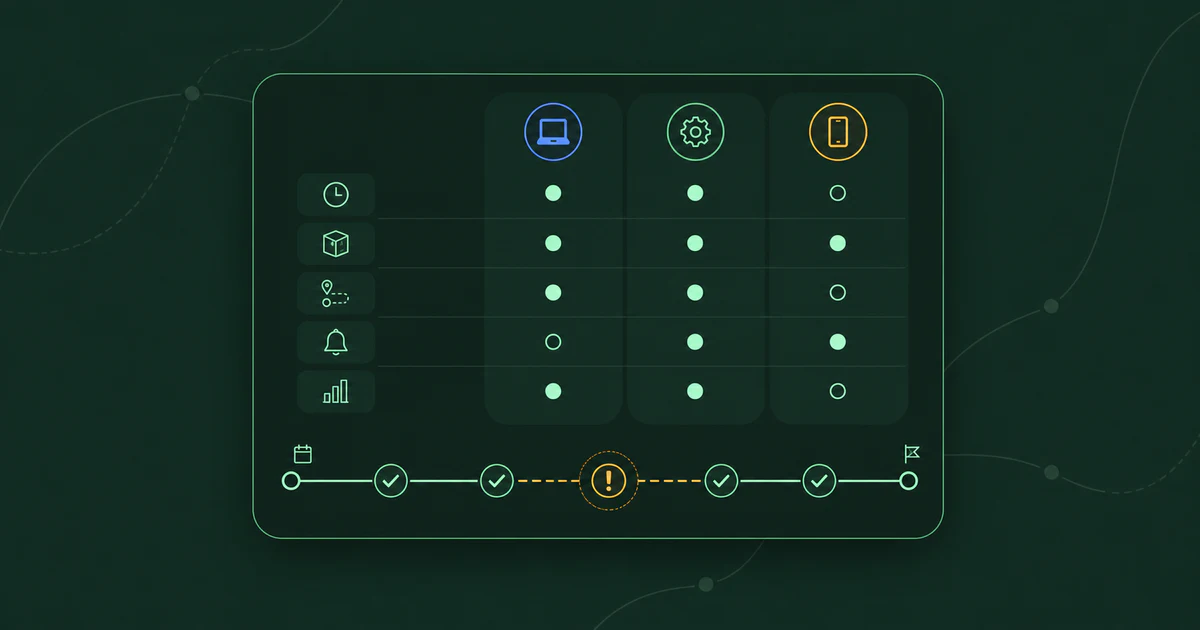
Five sanitation suites, two broader rental platforms, and one route-first system compete for portable restroom operators. Every price on this page was verified in August 2026, and the demo test script is built around your hardest week.
Guide·September 8, 2026
How Many Porta Potties Can One Truck Service in a Day?
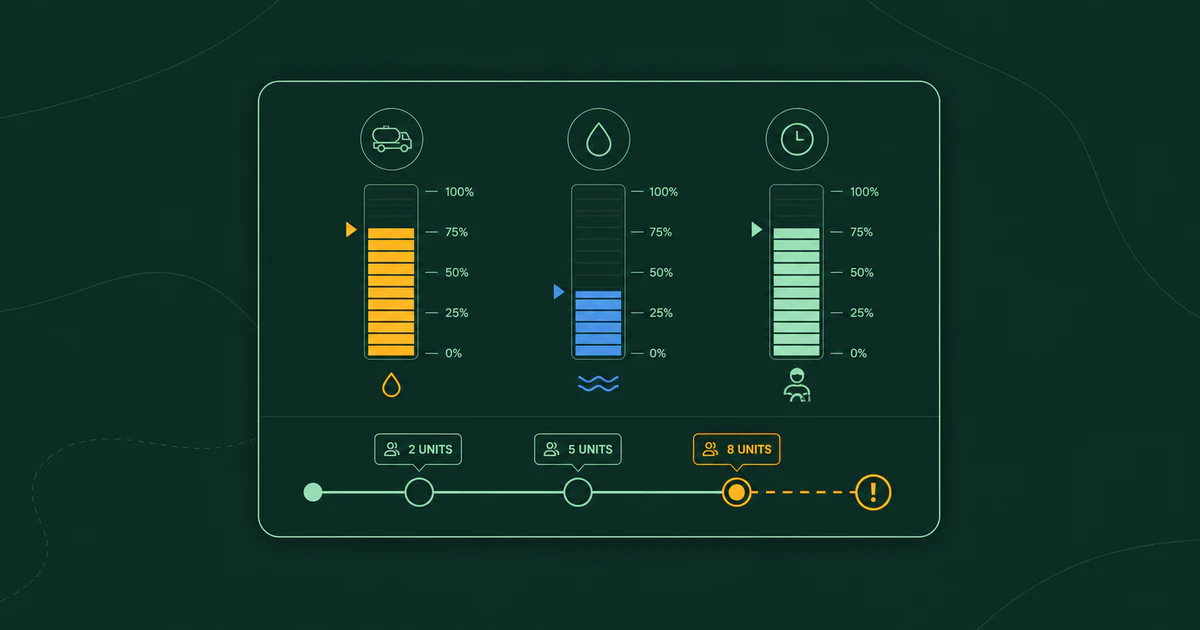
The honest answer is the smallest of three numbers: what the waste tank can take, what the fresh-water tank can give, and what the clock allows. Here is the divided-tank math, the gallons-per-unit forecast, and how to replace the 40-to-50-a-day folklore with a benchmark from your own routes.
Guide·September 7, 2026
Dispatching Porta Potty Routes: Four Job Types, One Day's Trucks
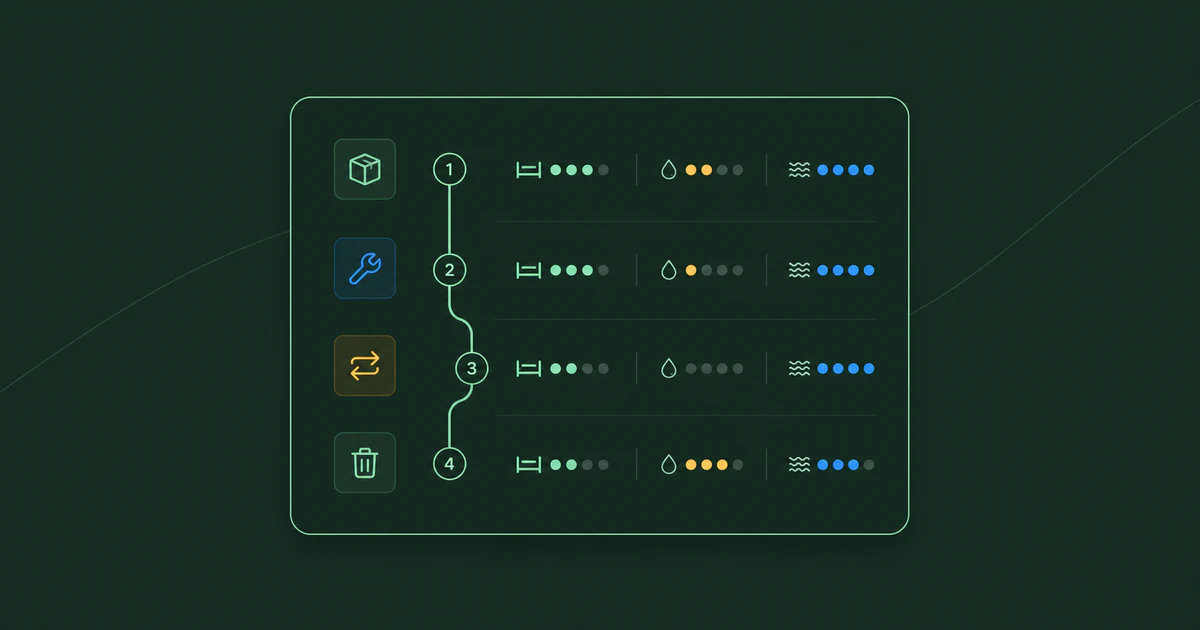
Drop, swap, pickup, and service load a truck four different ways. Here is the resource model behind each porta potty job type, the order for sequencing a mixed day, and the day-end reconciliation that accounts for every unit.

Guide·September 7, 2026
Porta Potty Unit Tracking: Site, State, and Service for Every Unit You Own
Hundreds of units in the field and a yard count nobody quite believes. Here is the unit register worth keeping, the custody events that keep it true through event weekends and construction seasons, and the math on which units actually earn a GPS tracker.
Guide·September 3, 2026
When Your Dispatcher Quits: Getting Route Knowledge Out of One Person's Head
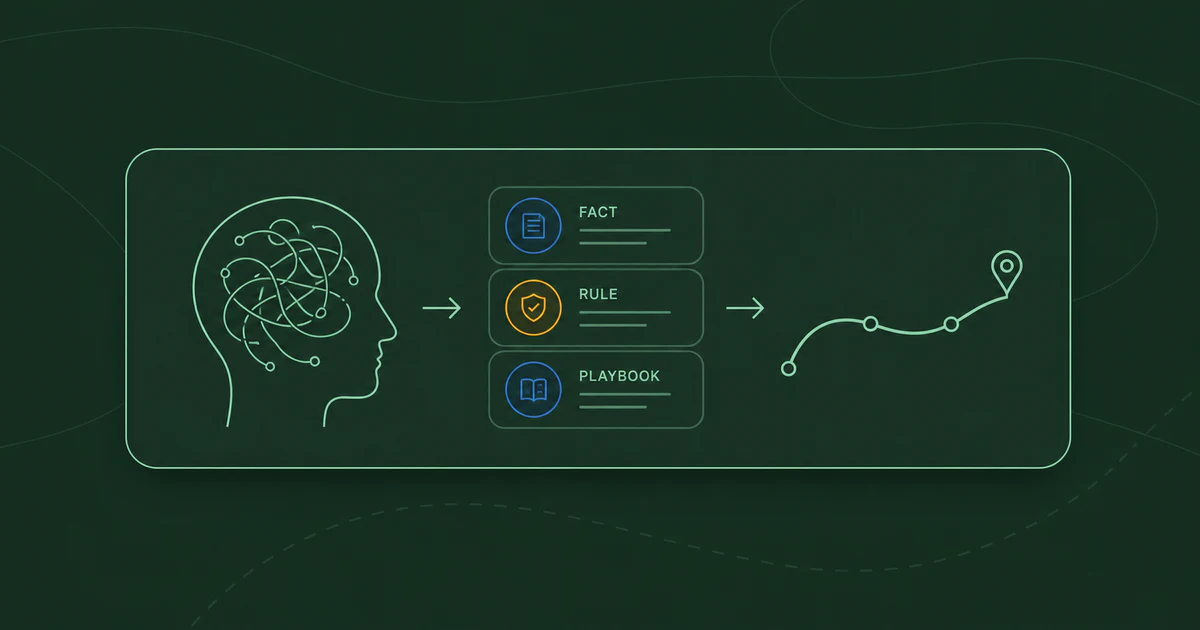
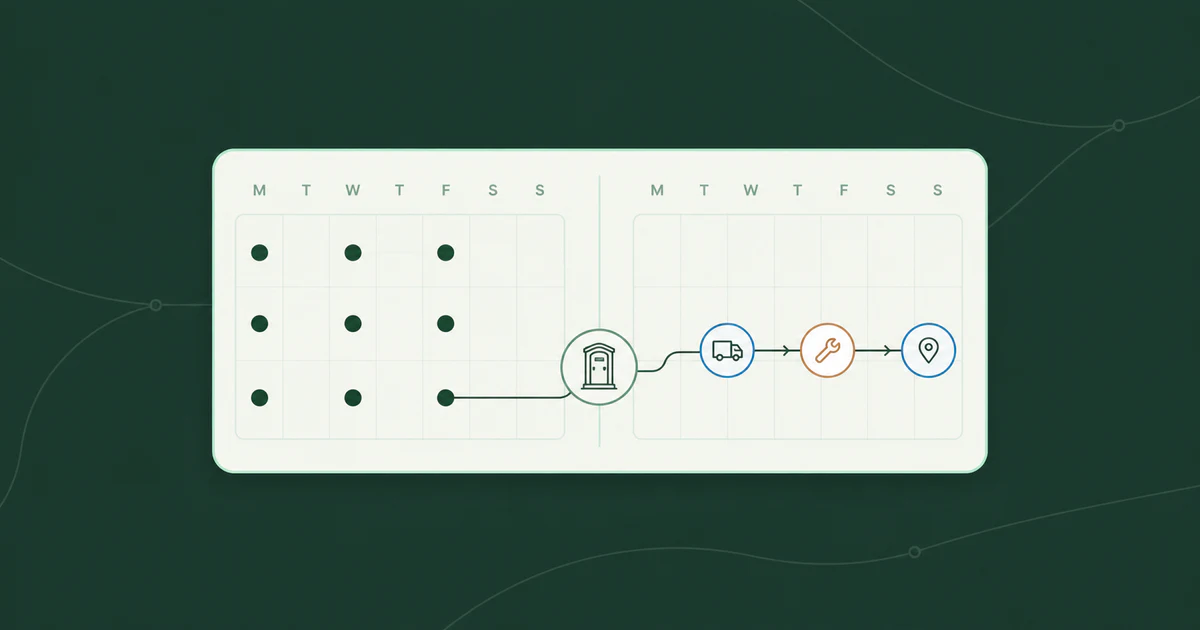
Gate codes, site quirks, disposal-site rhythms, and recovery moves live in one dispatcher's head, and the business is one resignation away from a bad month. Here is where each route fact should live, how to capture it without stopping operations, and how to prove a backup can run the day.
Guide·September 3, 2026
Porta Potty Service Scheduling: Weekly Routes and Event Turnarounds Together
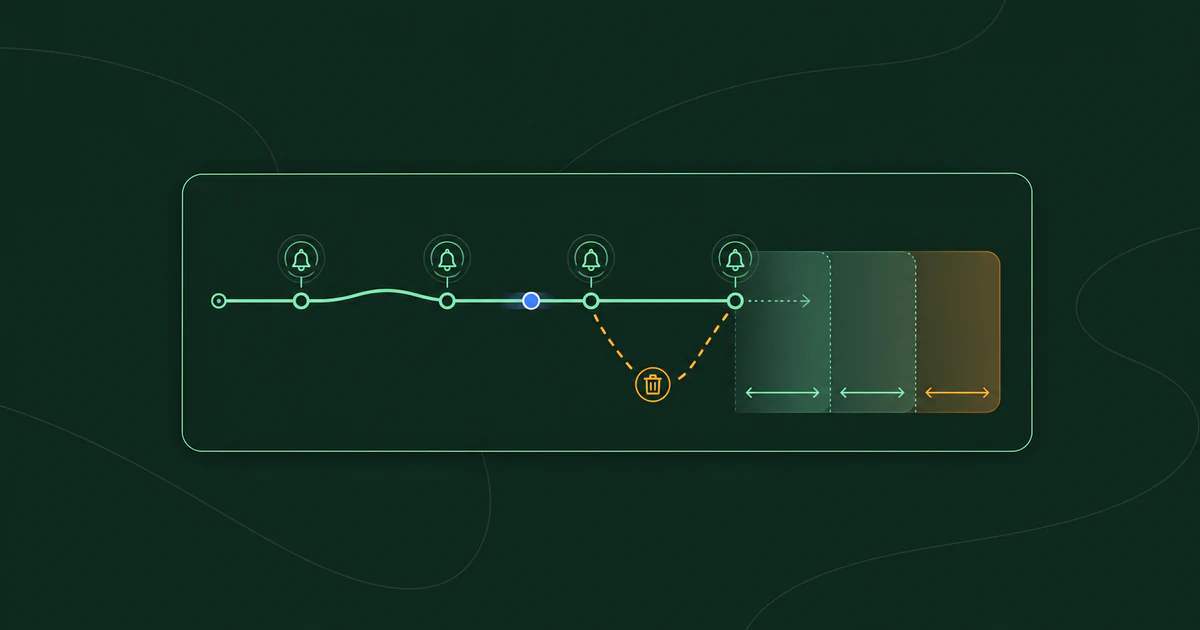
Construction units on weekly cadence and event units locked to exact dates run on the same trucks. Here is the due-date logic behind every unit, the five job types on a PRO's board, and how to move one visit without breaking the series.
Guide·August 28, 2026
Customer ETA Notifications for Collection Routes: Ending the "When Will You Be Here?" Call
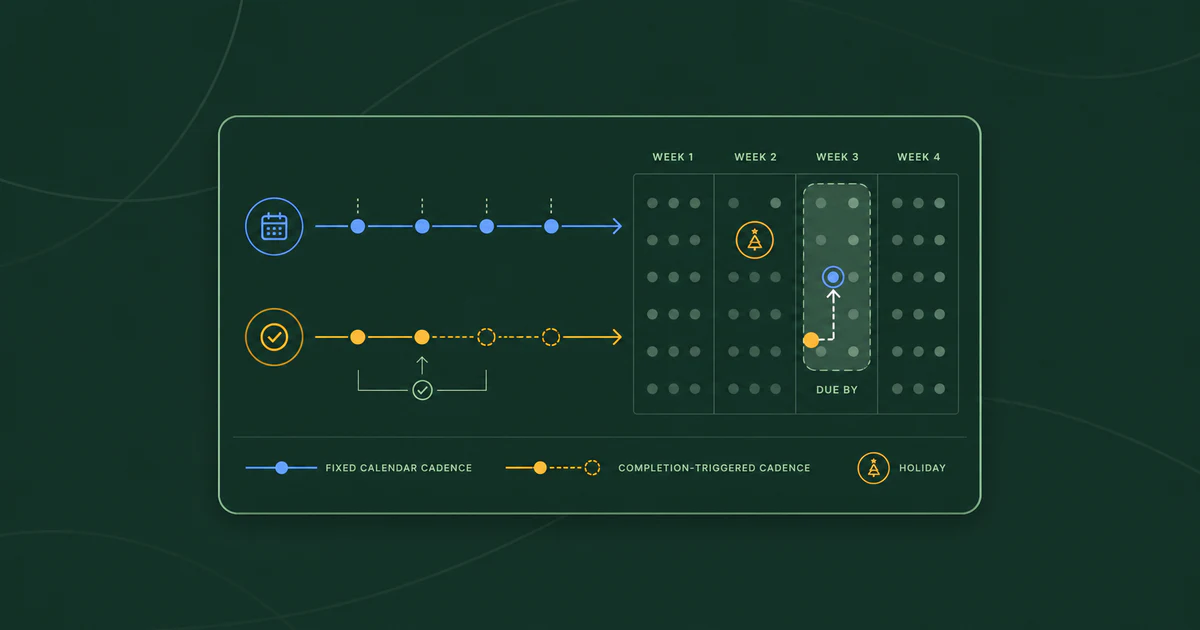
The front phone rings all day because customers have no window they trust. Here is what to promise, which route events deserve a message, how an ETA stays honest through disposal runs and mid-day changes, and how to prove the calls actually dropped.
Guide·August 28, 2026
Recurring Route Scheduling: Choosing Cadences That Hold
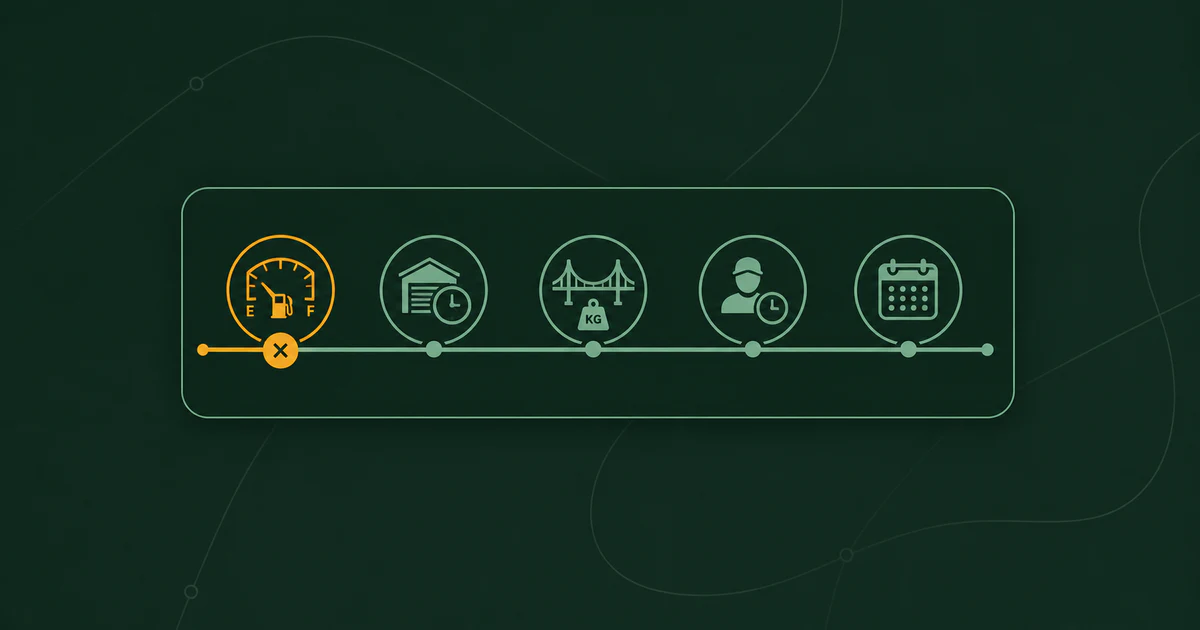
Every customer on a collection route repeats, but not on the same rhythm. Here is the four-number cadence model, how to choose the right anchor, and the exception policies that keep holidays, skips, and makeups from turning into missed service.
Guide·August 28, 2026
Waste Collection Route Planning Challenges: What Ends the Route Before the List Does
Collection routes rarely fail on miles. They fail when the truck packs out early, the disposal queue eats an hour, or driver hours run out before the list does. Here is how to find the constraint ending each route day, where the minutes leak, and when to rebalance.
Guide·August 26, 2026
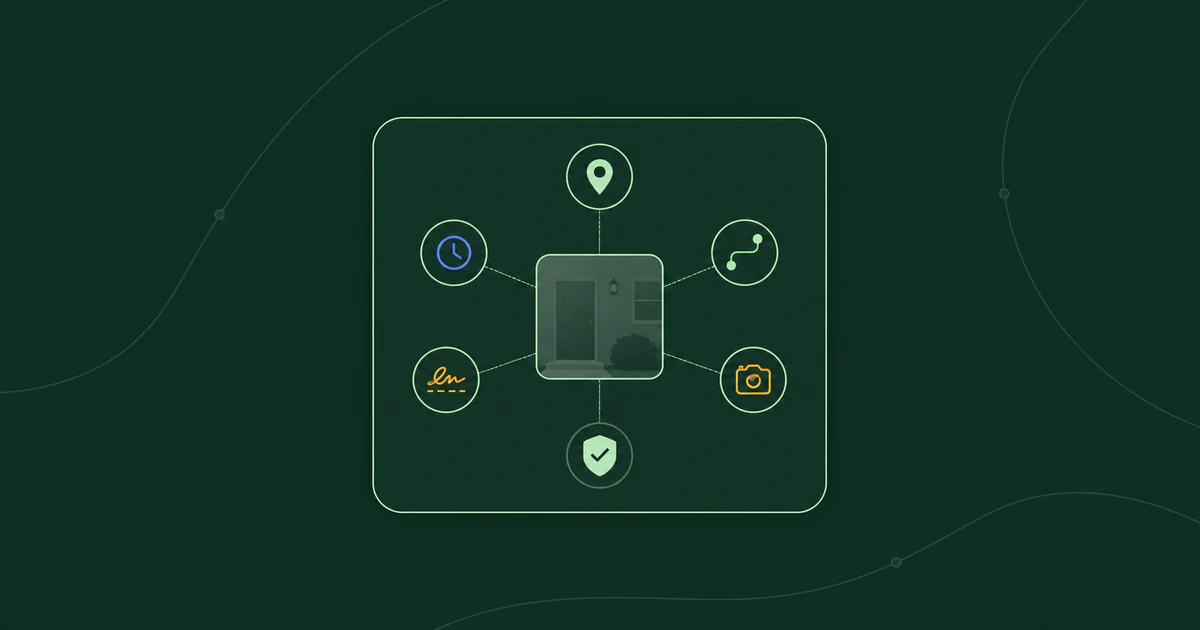
Proof of Service Photos: The Record That Settles "You Never Came"
A photo alone settles nothing. Here is the record that does: proof tied to the stop, evidence matched to each outcome, exceptions documented the way contracts reward, and a dispute workflow that ends the call in minutes.
Guide·August 26, 2026
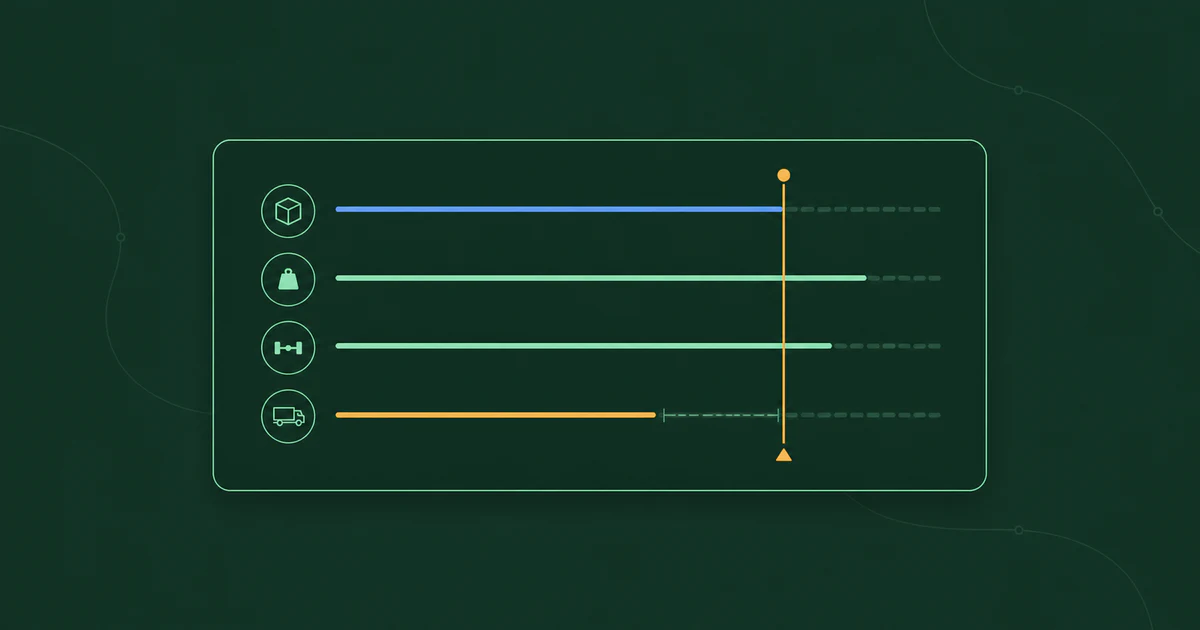
Truck Fill Limits by Type: Which Number Ends the Day?
Every truck carries four or five different "full" numbers, and the route ends when the lowest one hits. Here is how to find the governing limit by truck type, convert forecast gallons and yards into pounds, and plan the disposal run before wheels roll.
Guide·August 25, 2026
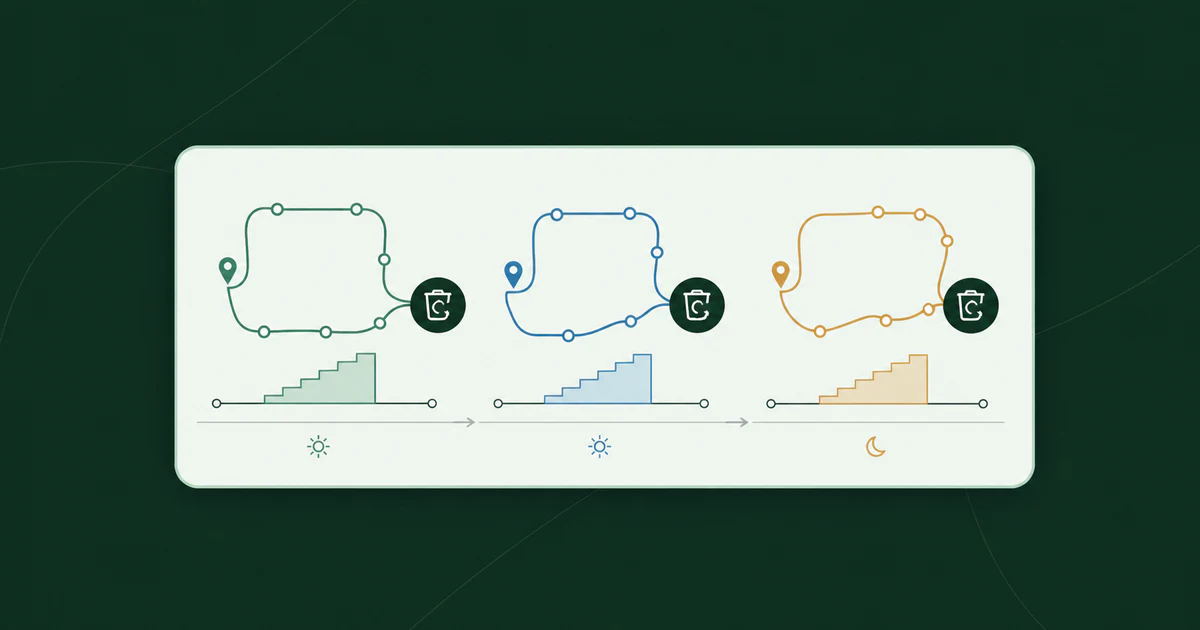
Multi-Trip Route Planning: When the Day Is Bigger Than the Truck
Some days hold more demand than one truckload, and the second trip should never be a surprise. The trip-count formula, the reset points where each trip ends, when a bigger truck actually wins, and how every scale ticket reprices the trips still ahead.
Guide·August 20, 2026
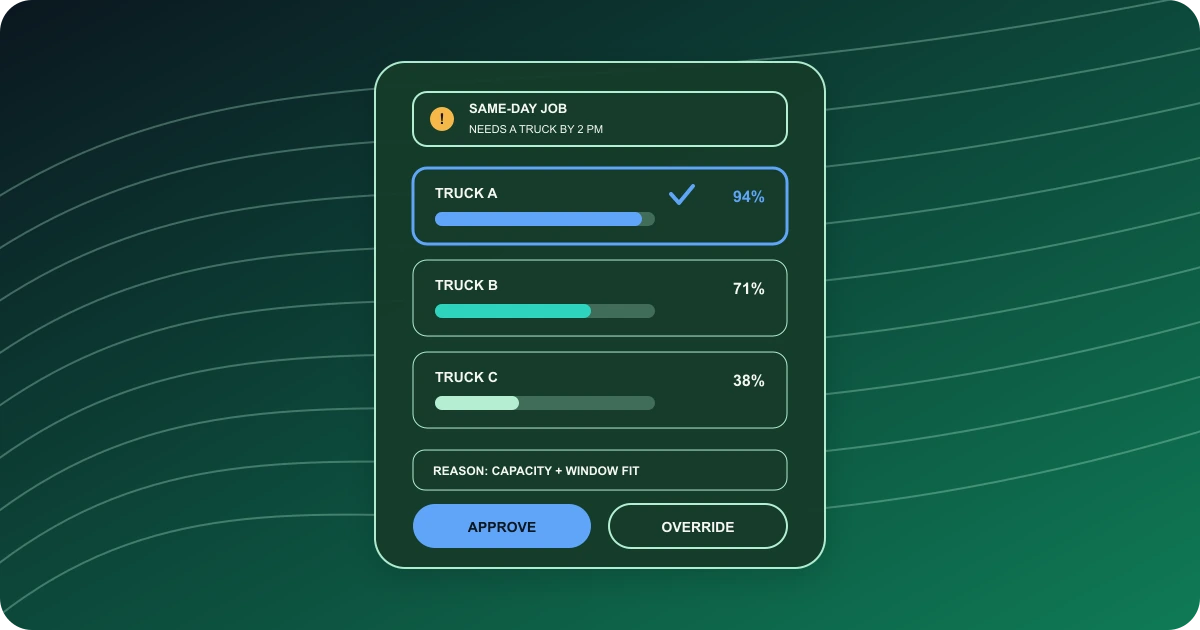
AI Dispatching for Waste Fleets: What It Decides and What You Still Control
Software that moves jobs around on its own is exactly what dispatchers fear, but controlled AI dispatch works differently. Here is what an AI dispatcher genuinely decides, the constraint data that makes its suggestions feasible, how override should work, and how to prove the time it saves is real.